
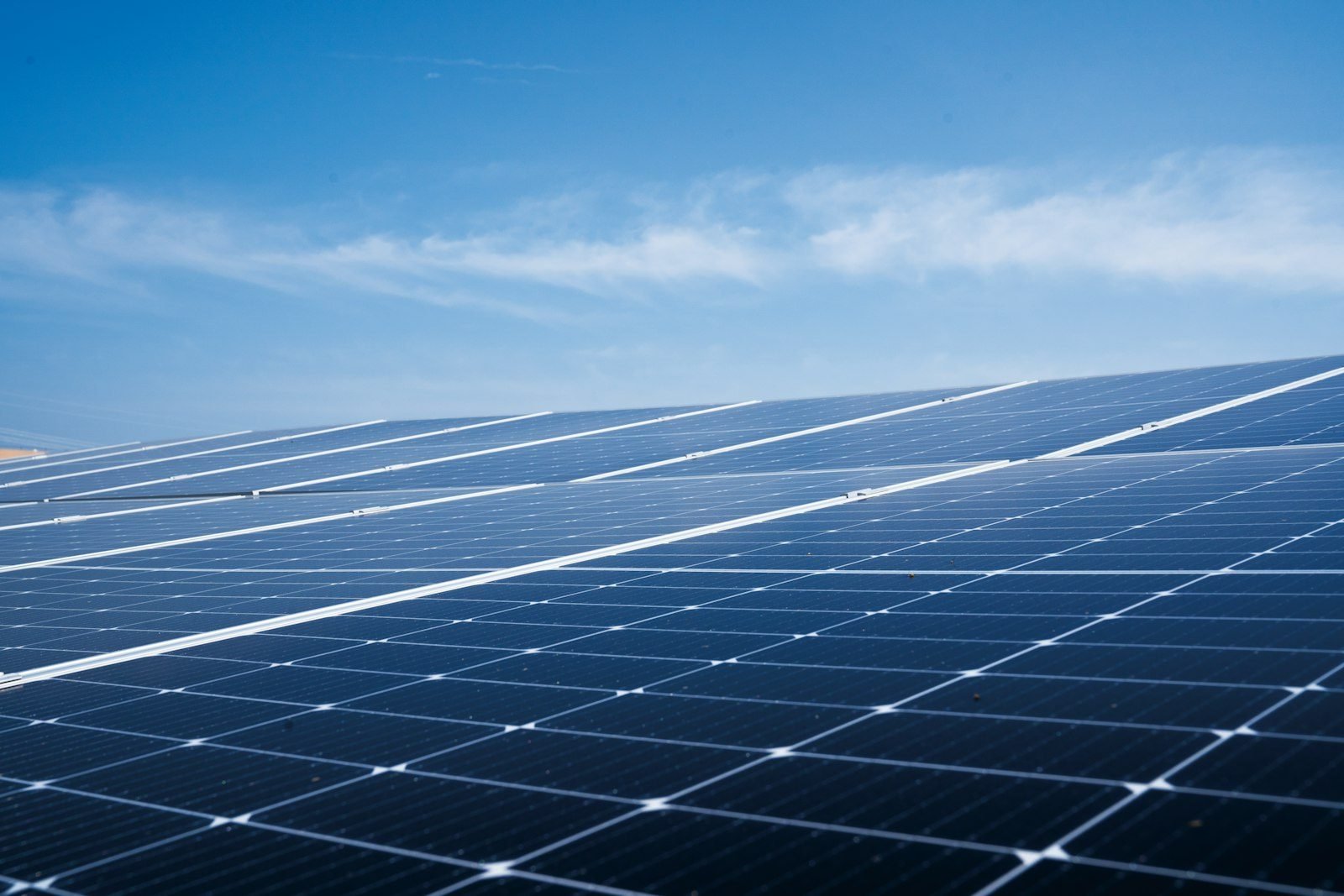
Choosing solar panels can look like a shelf decision: compare wattage and price, done. In reality the module is the part that sits on your roof for two decades or more, and small differences in technology, warranty and heat behavior add up over that time.
This guide explains the main panel types, what efficiency and degradation mean, and which datasheet items are worth comparing. One caveat: the author works in real estate, not engineering. The text gathers public sources, listed at the end, and sizing your system should be done by a licensed professional.
The most common types of solar panels
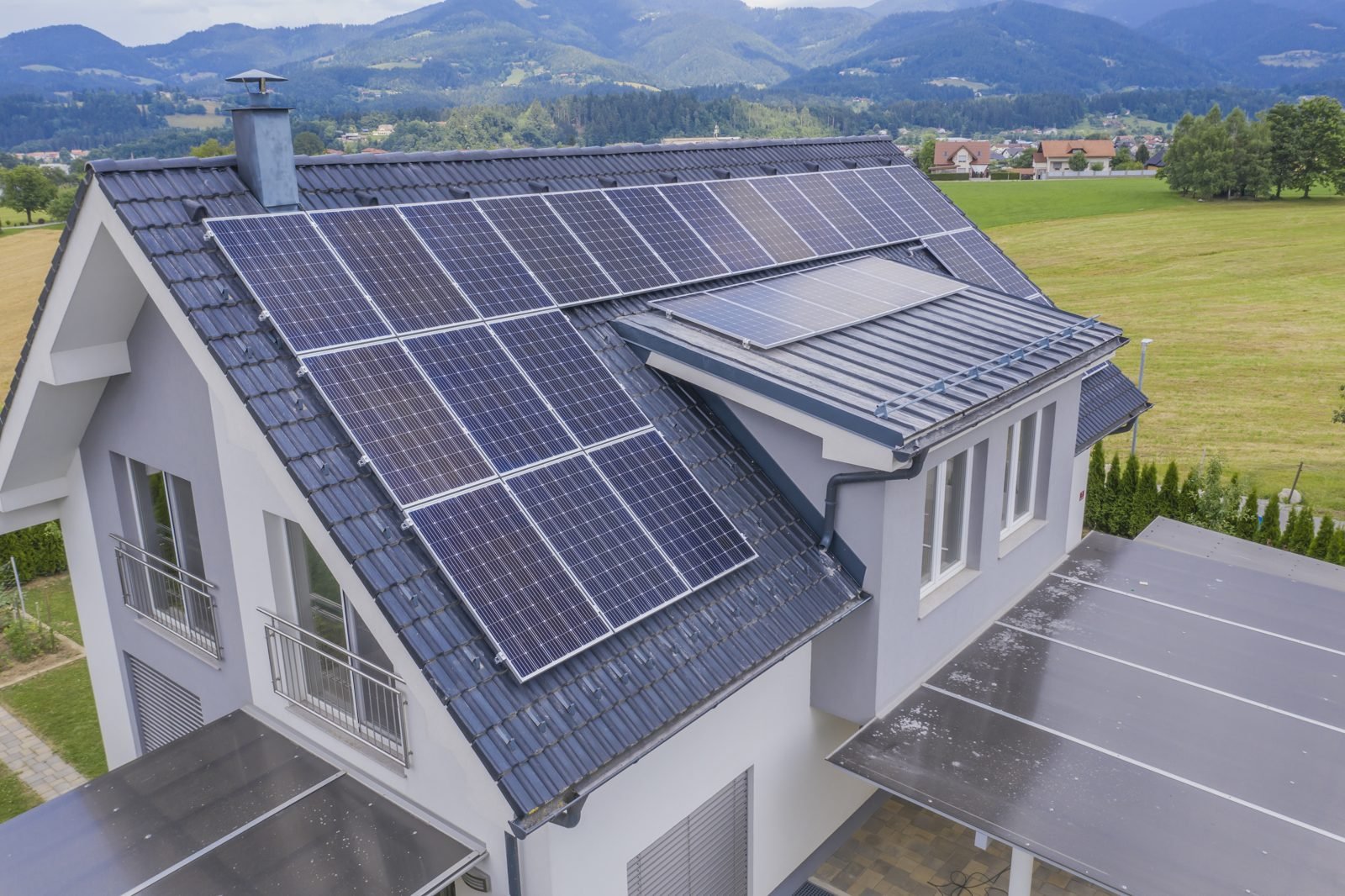
Most residential modules use crystalline silicon cells. Within that family, the classic split is monocrystalline versus polycrystalline. According to This Old House, monocrystalline panels usually exceed 20% efficiency, look dark and uniform, and need fewer panels for the same output. Polycrystalline panels sit at roughly 15% to 17%, have a bluish tint and cost less per watt, but they take more space and lose more output in the heat.
A newer layer of names has arrived too: PERC, TOPCon, heterojunction (HJT) and back-contact. SurgePV, citing Fraunhofer ISE, reports that n-type wafers made up 86% of 2025 production, that TOPCon has become dominant and that PERC is being phased out. In practice, quotes today often come with TOPCon modules.
One reality check: laboratory records are not shelf products. Cell efficiencies of 26% or 35% in the news are experimental results. The module that reaches your roof sits well below them.
Efficiency: what the number really says
Efficiency is the share of sunlight a module turns into electricity. According to SurgePV, Fraunhofer ISE recorded a weighted average of 22.7% for crystalline silicon modules shipped in the fourth quarter of 2024, with a range of 18.9% to 24.8%. In EnergySage’s ranking, the top ten panels fall between 22.0% and 23.0%.
Higher efficiency helps mostly when the roof is small, because every square foot delivers more power. If you have plenty of area, a slightly less efficient module with a good warranty and a better price may make more sense. The decision depends on space, not on chasing the biggest number.
Temperature coefficient: the detail that matters in hot climates
Panels work best near 77°F (25°C) and lose power as they heat up. The temperature coefficient, in %/°C, shows how much. The closer to zero, the better. EnergySage reports that among its ten top-ranked panels the value runs from -0.24 to -0.30 %/°C, and gives an example: at -0.35 %/°C, output falls about 3.5% when the module is 10°C (18°F) above the 25°C reference.
In strong sun, a roof can run much hotter than the air. So compare this number across quotes, not just the nameplate wattage.
Degradation and warranty: what happens over the years
Every panel loses a little power over time. NREL, the US national laboratory, gathered more than 11,000 data points in its 2016 update and found a median of 0.5% per year for good-quality crystalline silicon modules. In its earlier review of about 2,000 measurements the median was also 0.5%, but the average reached 0.8% because of a long tail of less reliable products. The lesson is that the average hides the gap between good and poor manufacturers.
The warranty is your protection. EnergySage notes that most panels carry a 25-year product warranty, with the best going up to 40, and that performance warranties usually guarantee more than 80% of output at year 25. Among the top ten in its ranking, expected output at year 25 ranges from 85.0% to 93.8%, with most around 89.5%.
Read the fine print too: SurgePV points out that first-year degradation and linear degradation appear in the warranty document. And ask who stands behind the warranty: the same analysis mentions a manufacturer that says it is under judicial management, which shows that the brand’s financial health is part of the choice.
Are bifacial panels worth it?
Bifacial modules also collect light on the back. The gain, however, depends on the installation. An NREL study (Prilliman and Freeman Keith, 2022) shows that albedo, meaning how much light the ground reflects, is the main source of uncertainty; that greater height above the ground tends to raise rear-side output; and that a zero-degree tilt yields little gain. The authors also note that the bifaciality factor, which ranges from 0.65 to 0.95 depending on cell and manufacturer, is often missing from datasheets.
On a pitched roof with little space between module and roofing, the benefit tends to be limited. On raised structures over light-colored ground, such as carports and canopies, the picture is different. Ask your installer for the estimated gain in your case, with the assumptions in writing.
Comparing in practice: a decision table
| Criterion | What to check | Reference cited in the sources |
|---|---|---|
| Efficiency | Power per module area | 22.7% market average (Fraunhofer ISE, via SurgePV) |
| Temperature coefficient | Closer to zero is better | -0.24 to -0.30 %/°C among the top ten (EnergySage) |
| Degradation | First-year loss and annual linear loss | Median 0.5% per year (NREL) |
| Product warranty | Length and who answers for it | 25 years for most; up to 40 for the best (EnergySage) |
| Performance warranty | Minimum output at year 25 | Above 80%; best near 90% (EnergySage) |
| Bifaciality | Factor and albedo assumptions | 0.65 to 0.95 (NREL) |
Checklist before you sign
- Ask for the full datasheet of each module, not just the proposal summary.
- Compare wattage, efficiency, temperature coefficient and both warranties side by side.
- Confirm the module carries the certification required where you live and that the installer is licensed.
- Ask who services the warranty locally and how the claim process works.
- Check shading, orientation and roof condition before deciding how many panels you need.
- Ask for a generation estimate with written assumptions, and be wary of guaranteed-return promises.
If you are thinking about storing the energy you generate, read our guide to home batteries. If you own or plan to own an electric car, the installation walkthrough is in installing a home EV charger. And to track household consumption more closely, see home automation for beginners.
Frequently asked questions
What is the best type of solar panel for a home?
It depends on space, budget and climate. For small roofs, higher-efficiency modules usually pay off. With plenty of area, also compare total cost, warranty and temperature coefficient.
Is monocrystalline always better than polycrystalline?
On efficiency and heat behavior, monocrystalline leads according to the sources consulted. Polycrystalline tends to cost less per watt, though the market has largely moved to newer technologies such as TOPCon.
How much power does a solar panel lose each year?
NREL found a median of 0.5% per year in good-quality crystalline silicon modules. Lower-quality products can degrade faster, which is why the performance warranty matters.
Do I need bifacial panels?
Not necessarily. The gain depends on height, tilt and ground reflectivity, and can be small on ordinary roofs. Ask your installer for the estimate, with assumptions in writing.
Making the choice
The best panel is the one that fits your roof, your climate and your budget, with a clear warranty and a manufacturer able to honor it. Tell us in the comments which criterion matters most to you, and whether you would like a guide on system sizing.
Sources and references
- NREL: Photovoltaic Lifetime Project (degradation rates)
- NREL: Prilliman and Freeman Keith, uncertainty in bifacial systems (2022)
- EnergySage: solar panel ranking (efficiency, temperature, warranties)
- This Old House: monocrystalline vs. polycrystalline
- SurgePV: TOPCon vs. other technologies (cites Fraunhofer ISE data)
- Our editorial policy
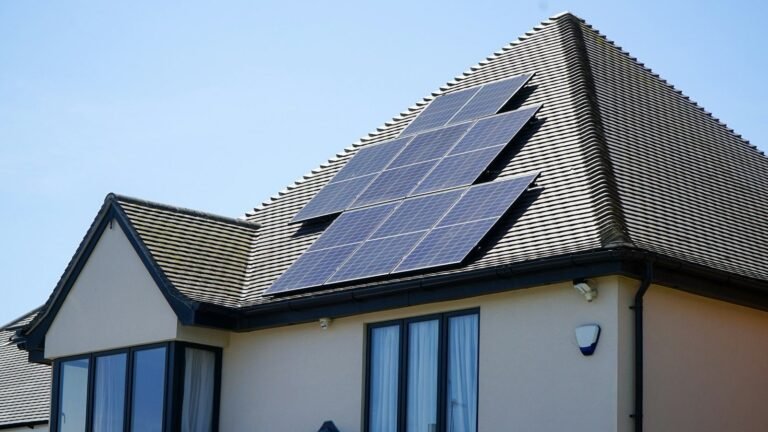
Featured image: Photo: Soren H / Unsplash
Receba ideias de decoração no seu e-mail
Dicas práticas de decoração, jardim e organização da casa. Ao se inscrever, você recebe de presente a planilha grátis "Planejador de Decoração e Reforma". Sem excesso de e-mails.


Deixe um comentário