
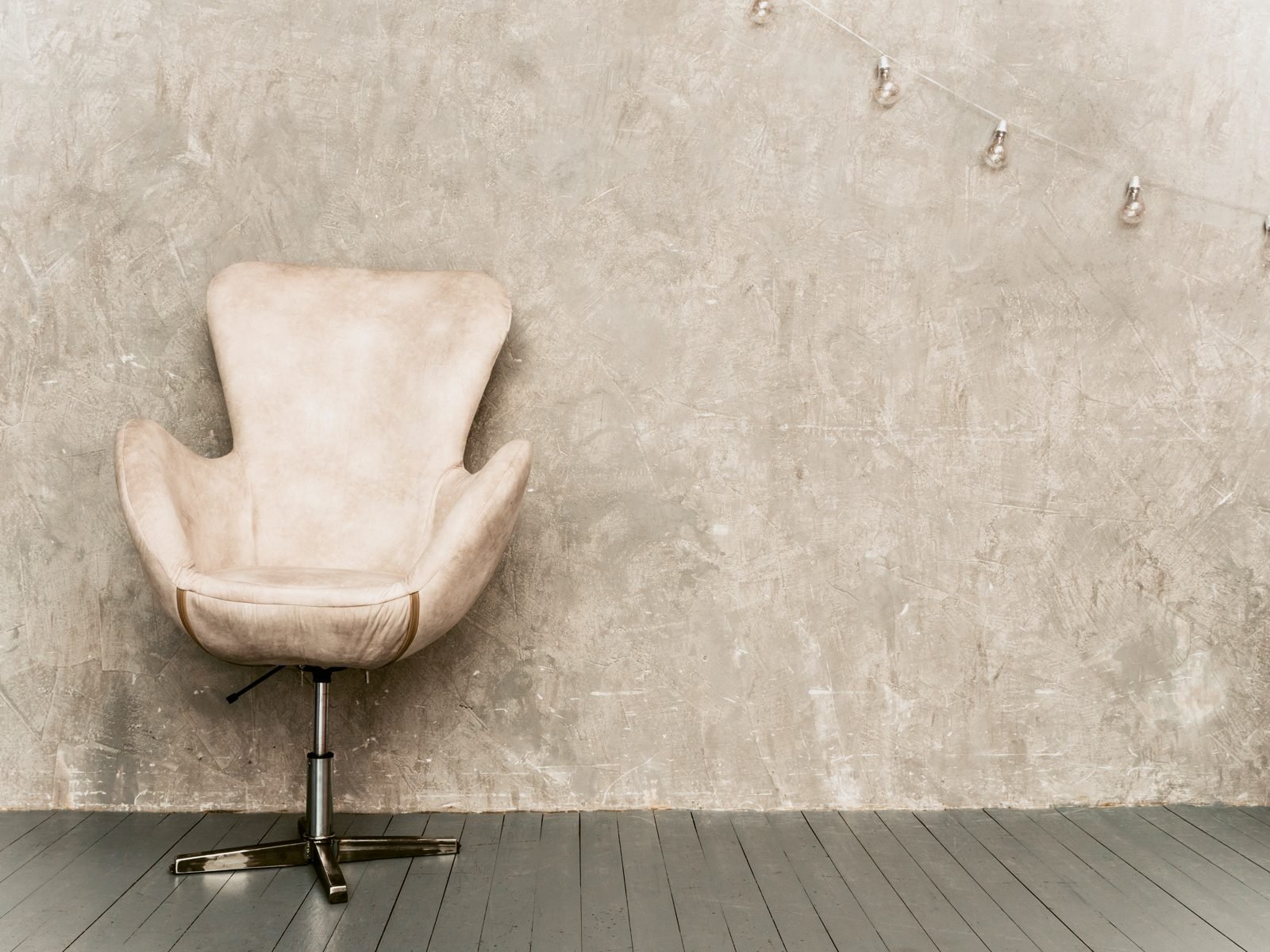
Liquid wallpaper appeals to anyone who wants to refresh a wall without wrestling with rolls, seams and paste. The name is a little misleading: it isn’t paper at all. It’s a decorative fiber-based compound that is spread over the wall and dries into a continuous, soft-to-the-touch surface with a gentle texture.
In this guide, you’ll learn what the product is made of, how application works, which rooms it suits and what the real pros and cons are. That way it’s easier to decide whether it fits your home, your budget and the time you can set aside for the project.
What is liquid wallpaper?
Liquid wallpaper is a decorative wall covering sold as a dry mix, usually in bags of loose fibers. According to manufacturers in this category, the base typically combines cellulose fibers, textile fibers (such as cotton or silk, depending on the line), mineral additives and a binder. Some versions come with pigments, glitter or decorative flakes already blended in. You may also see it sold as “silk plaster.”
To use it, you add water to the mix and let it rest until it becomes a pliable paste. It’s then spread in a thin coat with a plastic trowel. Once dry, the result looks a bit like fabric or a hand-troweled plaster wall, with a soft texture and none of the joint lines you get with traditional wallpaper.

Liquid wallpaper vs. traditional wallpaper vs. paint
Before buying, it helps to compare it with the better-known options. The best choice depends on the condition of your wall and the effect you’re after.
| Criteria | Liquid wallpaper | Roll wallpaper | Paint |
|---|---|---|---|
| Seams | None | Yes, patterns must be matched | None |
| Patterns | Limited (color, texture, simple designs) | Huge variety | Solid or hand-applied techniques |
| Minor flaws | Hides them well | May show through | Tends to highlight them |
| Spot repairs | Dampen and redo just that area | Replace a full strip | Touch-ups may show |
| Wet areas | Not recommended | Only specific vinyl types | Washable paints work |
If you’re torn between liquid and roll wallpaper for a living space, our guide to living room wallpaper ideas shows the patterns and layouts that a liquid finish simply can’t reproduce.
Advantages of liquid wallpaper
- Seamless surface: the compound covers the wall from corner to corner, including around outlets, niches and curved edges.
- Hides small imperfections: the textured layer helps disguise hairline cracks and slight unevenness in the plaster.
- Spot repairs: if an area gets scratched or stained, you can dampen it, remove the damaged material and reapply only there.
- Clean application: there’s no paste to spread and no paper offcuts; the mess is mostly bits of compound on the floor, which are easy to sweep up.
- Cozy feel: because it’s fibrous, the finish is soft and makes a room look warmer and more inviting.
Some manufacturers also claim acoustic and thermal comfort benefits. These effects vary with thickness and composition, so check the technical data sheet for the brand you choose.
Drawbacks and limitations
- It doesn’t tolerate water: the material is water-soluble. Frequent splashes or direct contact with water can soften the layer, so showers, laundry rooms and backsplashes are poor candidates.
- Gentle cleaning only: you can’t scrub it with a wet cloth. Everyday upkeep is usually done with a vacuum brush attachment or a duster.
- A specific look: the finish is textured and matte. If you want detailed patterns, crisp stripes or photographic murals, you’ll be disappointed.
- Slow drying: the room is out of use for about two days, and longer in cold, damp weather.
How to apply liquid wallpaper: step by step
The process varies by brand, and the manufacturer’s instructions should always take priority. Broadly, manufacturers’ instructions follow this sequence:
- Prep the wall: remove old wallpaper, whitewash and loose material. The surface must be dry, clean and sound. It doesn’t need to be perfectly smooth.
- Apply a primer: use a white or clear primer to even out absorption and stop stains from bleeding through the finish.
- Protect metal parts: remove or seal exposed nails, screws and fittings, because moisture from the compound can cause rust stains.
- Hydrate the mix: combine the dry mix with the amount of water specified, ideally by hand, and let it rest for the recommended time (some brands call for several hours).
- Spread a thin coat: with a plastic trowel, apply the compound in short strokes, about 1 to 2 mm (roughly 1/16 in) thick, finishing each wall in one session.
- Let it dry with good airflow: keep the room ventilated until fully dry, which usually takes around 48 hours.
If you rent and want something less permanent, compare it with the removable options covered in how to hang wallpaper. Liquid wallpaper can be removed, but it means soaking the whole wall and scraping the compound off.
Where to use it (and where to avoid it)
Liquid wallpaper works best in dry indoor rooms with little direct contact from hands and water:
- Bedrooms: the soft texture adds to a cozy feel, especially on the wall behind the headboard.
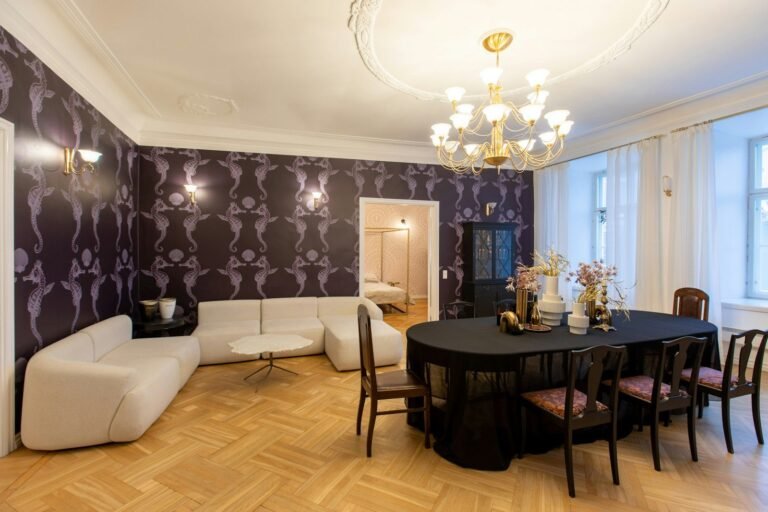
- Living and dining rooms: an accent wall in an earthy or grayish tone adds depth without needing a pattern.
- Hallways and entryways: it helps disguise walls with small flaws, as long as they don’t take constant knocks.
Avoid walls behind sinks, stoves and showers, outdoor areas and anywhere with leaks. For bathrooms, choose the moisture-ready solutions covered in bathroom wallpaper. If you spot damp patches or a leak, have a qualified professional fix the cause before applying any wall covering.
How to choose color and texture
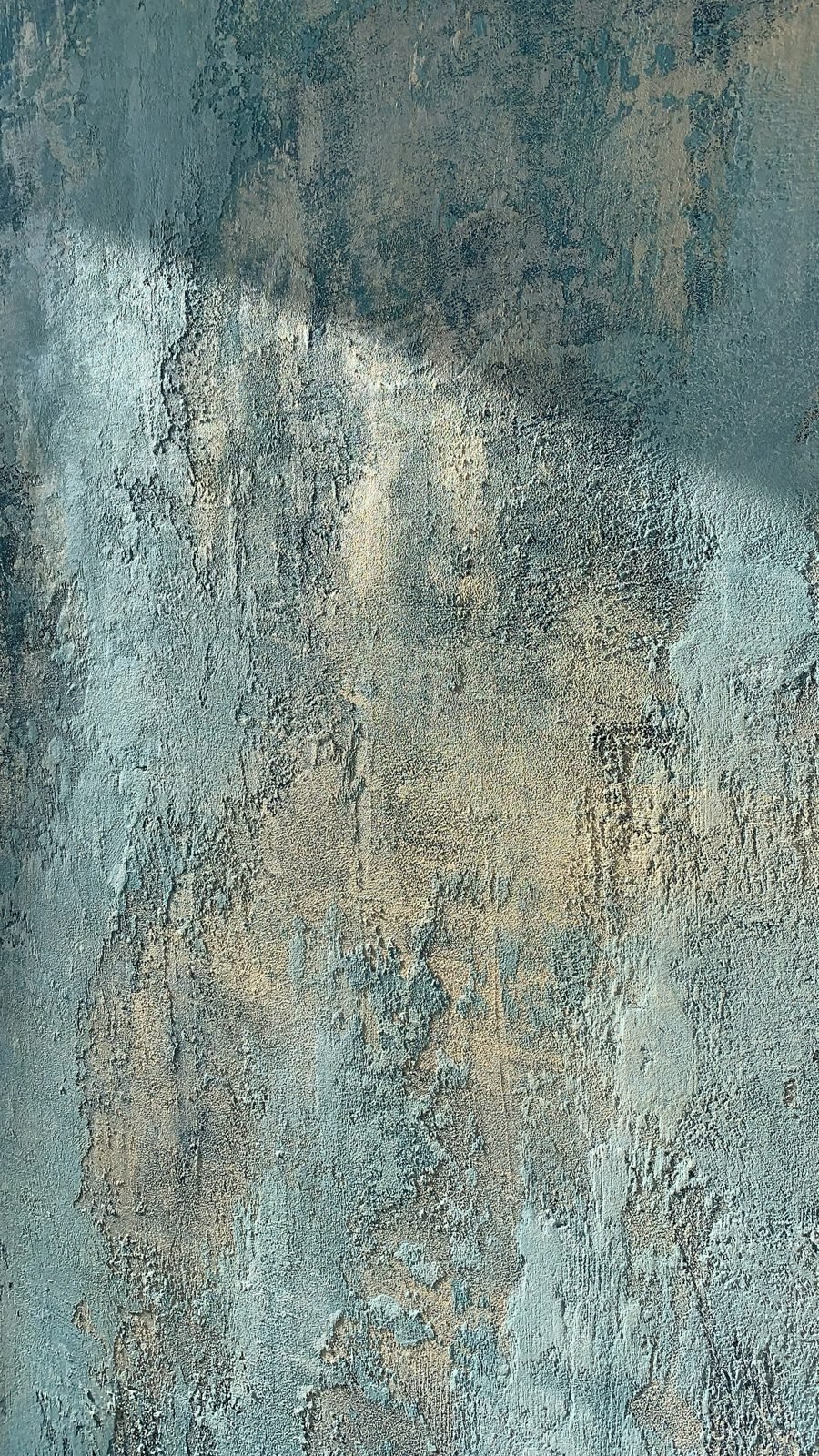
Since liquid wallpaper doesn’t do complex patterns, color and fiber type carry the whole visual effect. A few practical pointers:
- Get a sample: the color changes noticeably once dry and under your room’s light. If possible, test a small patch on a board or in an inconspicuous corner.
- Neutrals open up a space: beige, sand, off-white and light gray make small rooms feel lighter.
- Deep tones feel enveloping: terracotta, olive green and grayish blue work well on a single accent wall.
- Buy it all at once: different batches can vary slightly in tone. Measure the area, add a margin and buy the full quantity together.
As for cost, the price per square meter (or square foot) varies by brand, product line (silk versions tend to cost more), location and whether you hire an installer. Base your budget on the actual wall area and the coverage stated on the package.
Checklist before you buy
- Is the wall dry, with no leaks or mold?
- Is the room away from water and grease splashes?
- Can you leave the room ventilating for two or three days?
- Have you measured the area and bought material from the same batch?
- Do you have a white or clear primer and a plastic trowel?
- Have you read the data sheet and the soaking time for your chosen brand?
- If you rent, have you checked with your landlord or property manager that the change is allowed?
Frequently asked questions
Can liquid wallpaper be washed?
Generally, no. The material is sensitive to water, and cleaning is usually done dry, with a vacuum or duster. Isolated stains can be handled with a spot repair.
Can I apply liquid wallpaper over old paint?
Yes, as long as the paint is sound, clean and not peeling. The primer recommended by the manufacturer helps ensure good adhesion and even color.
How long does liquid wallpaper take to dry?
About 48 hours on average, but it depends on temperature, humidity, ventilation and how thick the coat is.
Can I use liquid wallpaper in the kitchen?
Only on walls well away from the sink, stove and splashes. Where water and grease are a factor, washable finishes are a better fit.
Conclusion
Liquid wallpaper is a good choice if you want a continuous, textured and welcoming wall in dry rooms, with the bonus of easy spot repairs. On the other hand, it calls for care around water, patience while it dries and a taste for a handcrafted look rather than a printed one. Have you tried this finish or are you still on the fence? Tell us in the comments, and explore more wallpaper guides here on the blog.
Featured image: Image: halayalex / Freepik
Receba ideias de decoração no seu e-mail
Dicas práticas de decoração, jardim e organização da casa. Ao se inscrever, você recebe de presente a planilha grátis "Planejador de Decoração e Reforma". Sem excesso de e-mails.


Deixe um comentário