

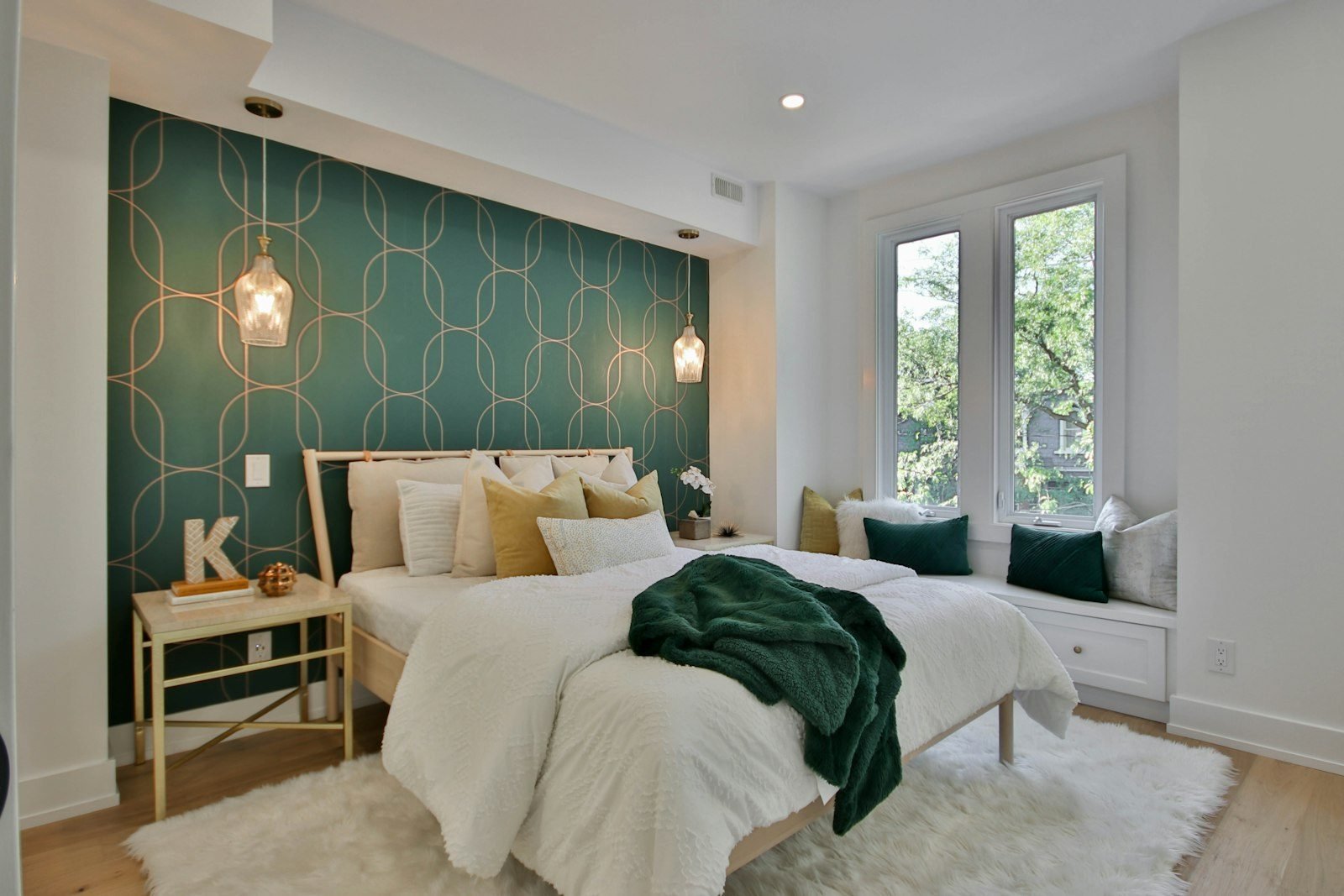
Few updates change a room as quickly as wallpaper. If you are collecting bedroom wallpaper ideas, the good news is that a single weekend can turn a plain wall into something with texture, color and personality, without the dust and disruption of a renovation. Because the bedroom is a private, restful space, it is often where wallpaper works best.
Getting it right takes more than falling for a pattern in a showroom, though. Room size, natural light, humidity and even how long you plan to stay in your home all shape the decision. This guide walks you through pattern, color and material, which wall to cover, how to estimate what to buy and how to keep the finish looking good.
Why wallpaper works so well in a bedroom
You spend more hours in your bedroom than in almost any other room, and it is where your day starts and ends. A well-chosen wall covering helps create that sense of shelter everyone wants from this space. The most common benefits are:
- Big visual impact with little work: installation is fast and involves no demolition.
- Texture paint can’t deliver: geometric, floral and striped patterns, plus finishes that mimic linen, grasscloth or concrete.
- A frame for the bed: one papered wall acts as a backdrop for the headboard.
- Easy to change: removable designs let you switch the look later at a modest cost, which matters if you rent.
If you rent, our guide to renter-friendly decorating has more ideas that come off without leaving a mark.
Which wall to cover: the accent wall
In most bedrooms, the smartest move is to paper just one wall, usually the one behind the bed. This accent wall draws the eye and keeps the room from feeling busy, especially with a bold design. The other walls stay in a neutral shade that echoes the background of the paper.
Covering the whole room can look stunning, but it works best with subtle patterns, light tones and larger spaces. In a small bedroom, four patterned walls tend to make the room feel closed in. Other elegant options are papering only the lower half of the wall and painting above it, or, if you like to take risks, papering the ceiling.
Patterns: how to choose without regrets
The pattern sets the mood of the room. Before you decide, think about how you want to feel when you lie down: cozy, energized, in a romantic hideaway or in a calm, minimal space. A few reference points help:
Geometric
Arches, diamonds and lines create a modern, orderly look. Versions with gold or copper linework on a dark background feel refined without being over the top.
Floral and botanical
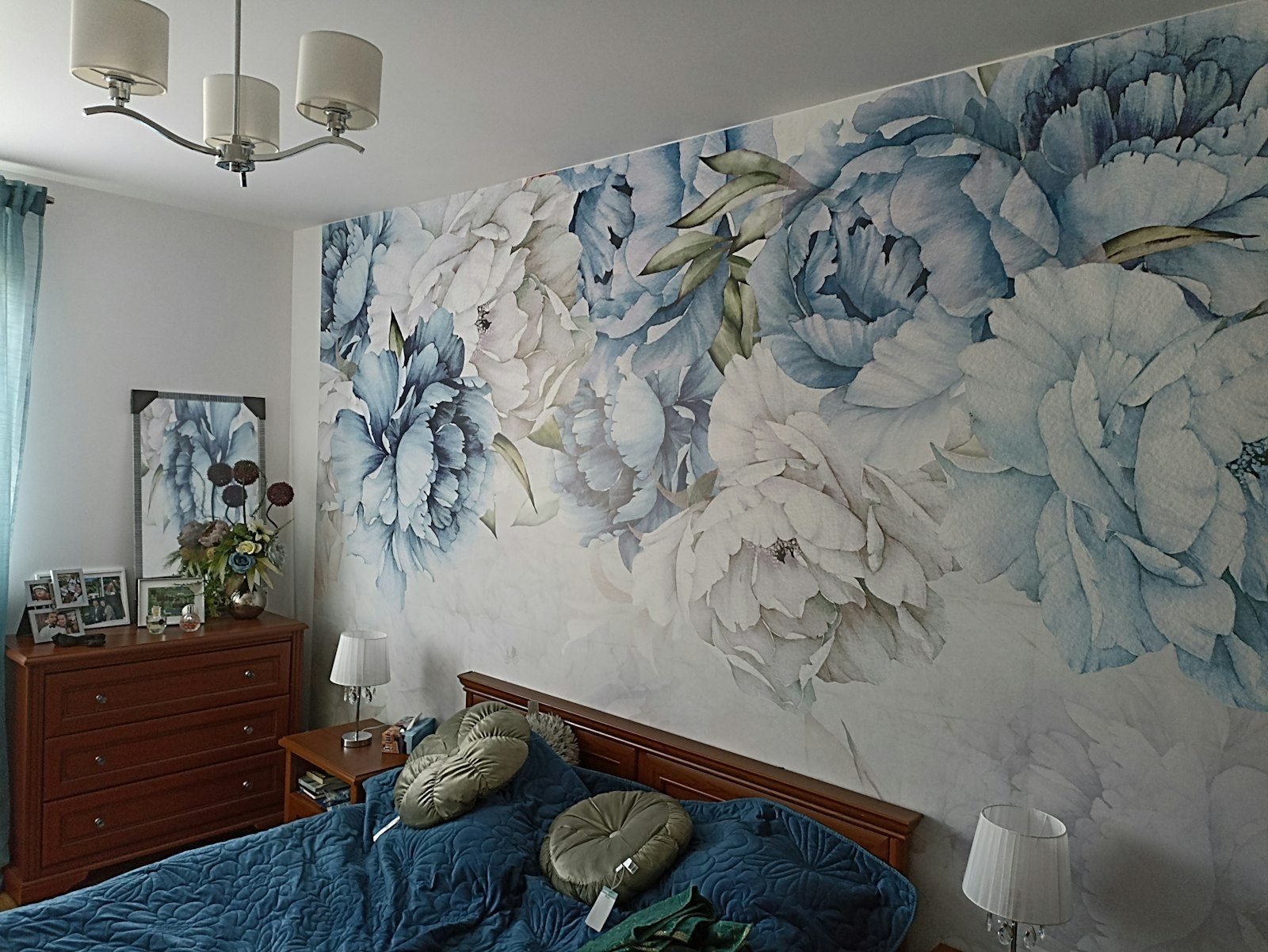
These suit romantic, classic and boho styles. Large florals call for a single wall and simpler furniture; small, ditsy florals are more versatile and can cover more than one wall.
Stripes
Vertical stripes make the ceiling feel higher; horizontal stripes visually widen a wall. They are a great starting point if patterns make you nervous.
Textured solids
Linen, grasscloth, concrete or brick effects add depth without an obvious motif. They look great in primary and guest bedrooms and adapt to almost all interior design styles.
A useful rule of thumb: the smaller the room, the smaller and more widely spaced the motif should be. Big patterns in narrow rooms can feel tiring to look at.
Colors that support rest
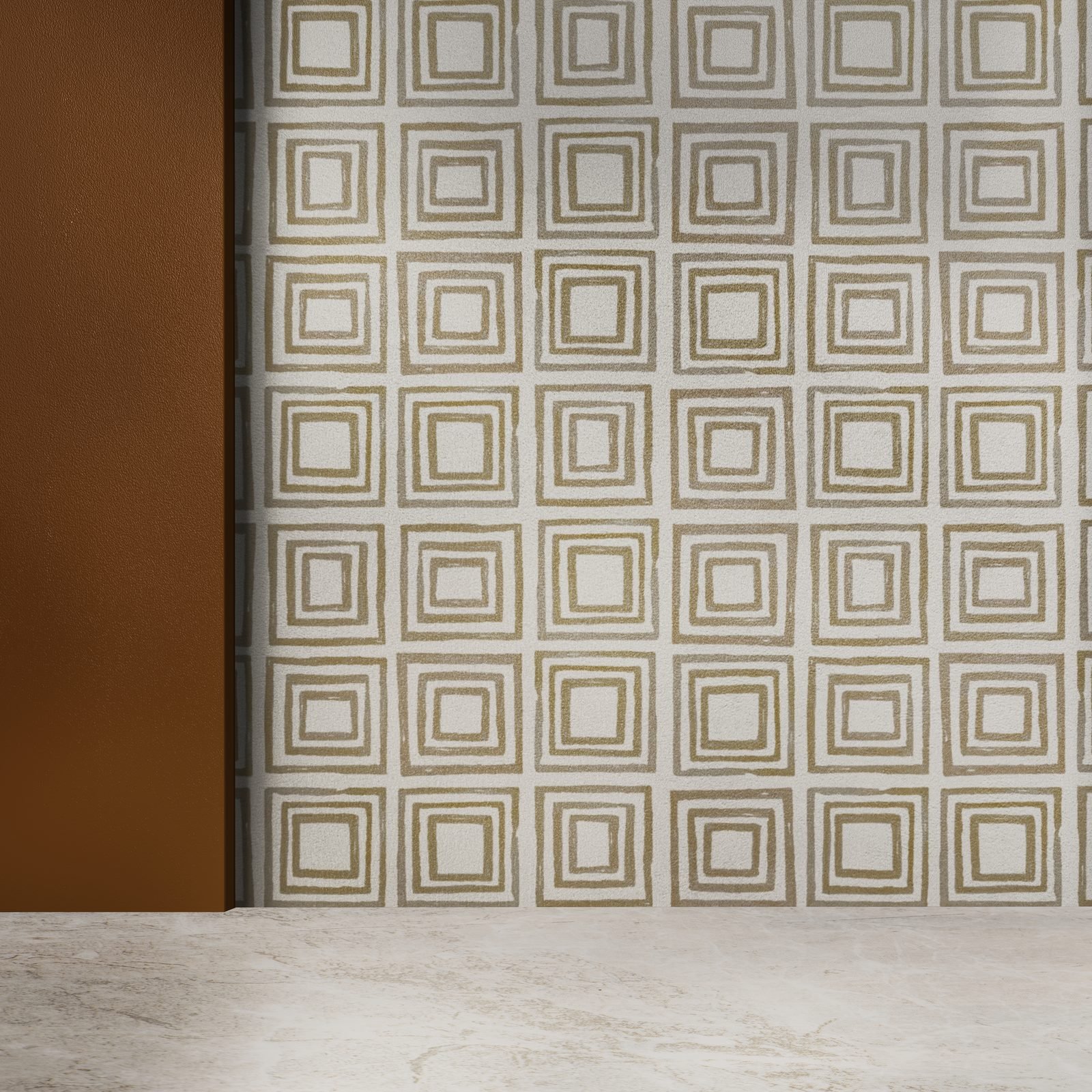
For a bedroom, calming tones are usually the safest choice: greens, blues, soft earth tones, dusty pinks and warm neutrals. Highly saturated colors such as intense red or bright yellow can look great in accents, but across an entire wall they make the room feel restless for some people.
Pay attention to light as well. Bedrooms with little daylight benefit from light backgrounds that bounce light around. Bright rooms can handle dark grounds such as forest green or navy, which feel enveloping and cozy. Always test a sample on the wall, by day and at night, because color shifts a lot under warm or cool bulbs.
To tie the wallpaper into the rest of the room, repeat one or two colors from the pattern in your bedding, cushions or curtains. Our article on master bedroom decorating ideas has more ways to style the headboard wall.
Types of wallpaper: pros and watch-outs
Material affects durability, cleaning and how easy the paper is to hang. The table sums up the most common types:
| Type | Strengths | Watch-outs | Best for |
|---|---|---|---|
| Vinyl | Tough; usually wipeable with a damp cloth | Less breathable; avoid walls with moisture issues | High-traffic and kids’ bedrooms |
| Non-woven | Stable, doesn’t shrink; often paste-the-wall | Needs a smooth, well-prepared wall | Anyone who wants easier hanging |
| Traditional paper | Natural, matte finish | More prone to stains and humidity | Dry rooms with little wear |
| Peel-and-stick | Removes more easily, no extra paste | Can lift on uneven walls or in heat | Rentals and frequent refreshes |
Features vary from one manufacturer to another. Before you buy, read the label for washability, light resistance and the recommended adhesive.
How much to buy: estimating rolls
Roll sizes vary by brand and region. A common format is about 53 cm wide by 10 m long (roughly 21 in by 33 ft), but wider and shorter rolls exist, so always check the product you choose. To estimate:
- Measure the width of the wall and divide it by the roll width. Round up: that is your number of strips.
- Measure the wall height and add extra for trimming (the pattern repeat may require more).
- Work out how many full strips each roll yields by dividing the roll length by that height.
- Divide the number of strips by strips per roll and round up.
- Buy at least one extra roll from the same batch for repairs and cutting mistakes.
The batch (or lot) number matters: rolls from different batches can vary slightly in shade, which shows when they hang side by side.
Checklist before you hang it
Good wall prep makes a bigger difference to the result than the paper itself. Run through this checklist:
- Is the wall dry, with no leaks, mold or damp stains?
- Have holes and cracks been filled and sanded?
- Is the surface clean and free of dust and grease?
- Has fresh paint cured for the time the paint manufacturer recommends?
- Have outlet and switch covers been removed with the power off at the breaker?
- Do you have the right adhesive, a smoothing tool, a sharp utility knife and a level or plumb line?
If the wall shows signs of moisture, fix the cause first: wallpaper won’t hide the problem and may peel or grow mold. For anything involving electrical work, hire a licensed electrician. For large walls, tricky pattern matches or expensive papers, a professional installer is often worth it.
Care tips to make it last
Once it’s up, wallpaper needs only simple care. Dust it with a dry cloth. On washable designs, use a lightly damp cloth and mild soap without scrubbing hard. Avoid pushing the headboard flat against the wall, as friction marks the surface; leave a few centimeters (an inch or two) of space.
Keep the bedroom ventilated, especially in humid climates, and keep the paper away from sources of steam. Strong direct sun can fade some designs over time, so curtains help protect it. If a seam starts to lift, re-glue it right away before the edge tears.
Frequently asked questions
Is wallpaper a good idea for a small bedroom?
Yes. Cover a single wall and choose a small or widely spaced pattern on a light background. Vertical stripes also help the room feel taller.
Can I use wallpaper in a rented home?
Yes, ideally peel-and-stick or other removable designs. Check your lease and agree with your landlord on whether the wall must be returned to its original condition.
Does wallpaper cause mold in a bedroom?
Wallpaper doesn’t cause mold by itself, but it can make an existing damp problem worse. Only apply it to dry walls and keep the room well ventilated.
Can I hang wallpaper myself?
For a single accent wall with peel-and-stick or non-woven paper, many people do it themselves. For complex pattern matches, uneven walls or large areas, a professional will deliver tighter seams.
Final thoughts
Choosing bedroom wallpaper means balancing personal taste with a clear read of the space: its size, light, humidity and the routine of whoever sleeps there. Start with the wall behind the bed, test samples and invest in wall prep. Which pattern would you pick for your bedroom? Tell us in the comments and explore more of our decorating ideas.
Featured image: Photo: Lotus Design N Print / Unsplash
Receba ideias de decoração no seu e-mail
Dicas práticas de decoração, jardim e organização da casa. Ao se inscrever, você recebe de presente a planilha grátis "Planejador de Decoração e Reforma". Sem excesso de e-mails.
Deixe um comentário