
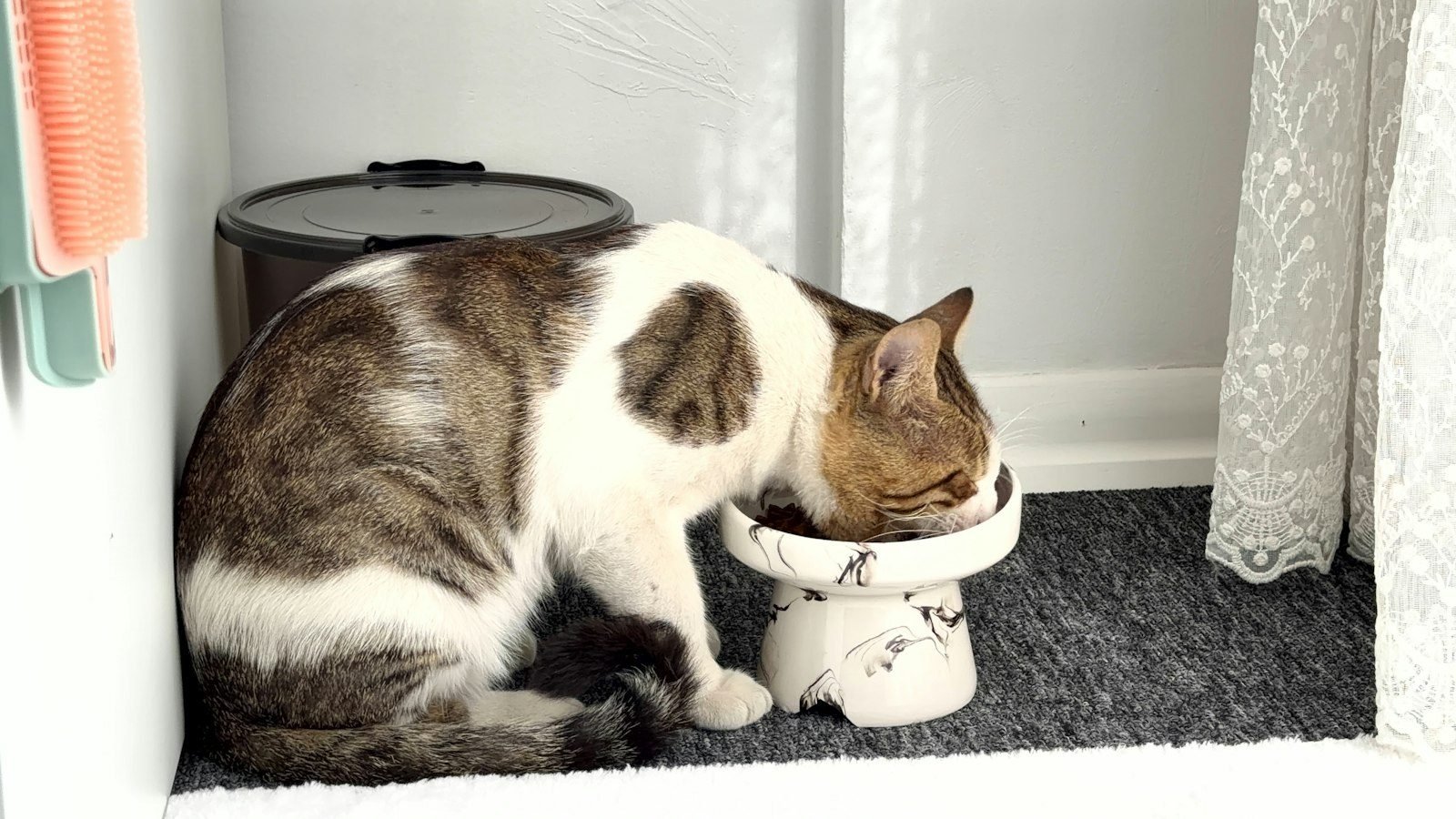
The automatic pet feeder has become a common gadget in homes with dogs and cats: a hopper with a timer that releases food at programmed times. Choosing well depends on your animal and your household routine.
This guide covers when a feeder helps, the limits veterinary sources point out, and how to keep feeders and water bowls clean. How much your pet should eat, and how often, is a decision for your veterinarian.
How an automatic pet feeder works
The device stores dry food and drops a portion when the programmed time arrives. There are mechanical models, programmable electronic ones and app-connected ones, but the principle is the same.
VCA Animal Hospitals also describes microchip-activated feeders, which open only for a registered pet (identified by a microchip or a collar tag). They suit multi-pet homes where one animal eats prescription food or has a dietary restriction.
When it genuinely helps
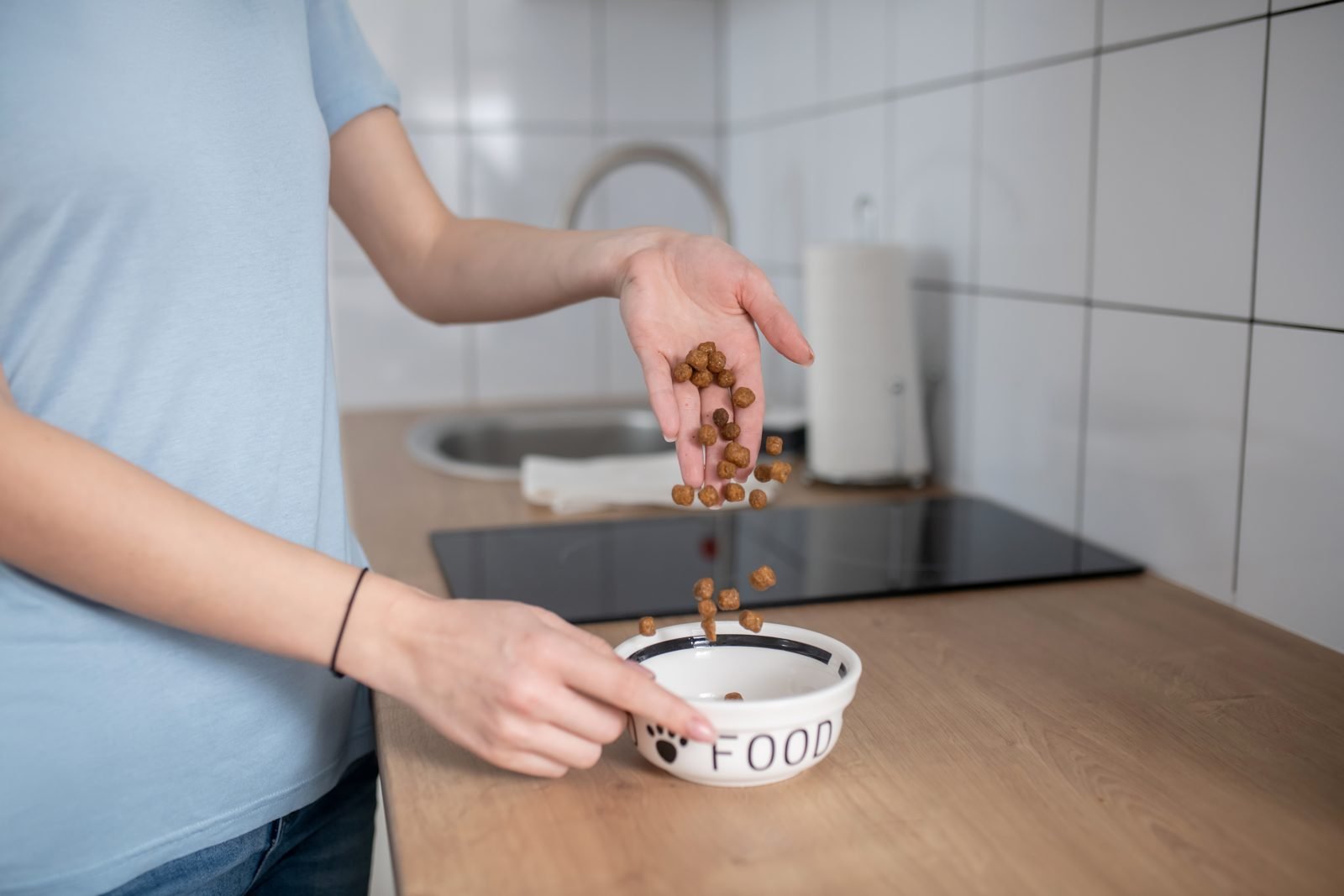
According to VCA, the main benefits are meals at set times, measured portions and support for weight-loss plans, since the feeder releases set amounts at planned times. It also cuts down on extra meals begged from each person in the house.
Consistency matters too. Petfinder recommends feeding a dog at the same times every day, which helps regulate digestion, and notes that a fixed routine makes illness easier to spot, since a sudden drop in appetite is often the first sign. A feeder helps keep the schedule steady, but it doesn’t watch your pet for you.
In connected homes, see our guide to home automation for beginners and the comparison of wired vs. Wi-Fi security cameras for checking on your animal from afar.
Limits and risks few people consider
VCA also lists the drawbacks, which are worth reading before you buy:
- Dead batteries or power loss: if the power fails, meals stop and the pet may go hungry until someone notices.
- Startling and refusal: some pets are frightened by the machine and won’t eat, even when hungry.
- Hard cleaning: some models must be taken apart for a thorough cleaning.
- Overfeeding: some feeders dispense slightly too much, and the difference adds up and can undermine a weight-loss plan. For weight control, choose a model with pre-measured portions or accurate dosing.
- Dry food only: most are designed for kibble and don’t suit pets that eat wet food.
- No substitute for company: a feeder can’t replace affection, play and attention.
For absences longer than a day, ask someone you trust to check on the animal, the water and the device.
What to check before buying
The table below gathers criteria from VCA and from the FDA, the U.S. agency that publishes guidance on pet food storage.
| Criterion | What to check | Why |
|---|---|---|
| Food type | Is it made for dry food? Does your kibble size fit the mechanism? | Most models are designed for kibble, not wet food. |
| Portion accuracy | Pre-measured portions or accurate dosing stated by the maker. | Small excesses add up in weight-control diets. |
| Backup power | Spare batteries, a battery backup or an app alert. | Weak batteries or an outage interrupt meals. |
| Cleaning | Parts that come apart and wash easily. | Some models are hard to clean. |
| Multi-pet home | A model that reads a microchip or collar tag. | Keeps one animal out of another’s food. |
| Storage | Keep food somewhere cool and dry, below 80°F (about 27°C). | The FDA says heat and moisture break down nutrients. |
On storage, the FDA advises keeping dry food in its original bag, which carries the lot number and best-by date you’ll need in a recall, and, if you use a bin, washing and drying it between bags. The same goes for the feeder’s hopper.
How many meals to serve
The number of meals changes with age and health. For adult cats, VetDesk gives two meals a day as the usual recommendation, about 12 hours apart, while stressing it isn’t a strict rule. For kittens it suggests four to five meals between 8 and 12 weeks, reducing with age.
It also advises against leaving food out all day, because cats aren’t built to graze and it contributes to weight gain. For dogs, Petfinder cites four to six meals a day for puppies, reduced gradually, and recommends measured portions rather than food left out all day. Either way, your veterinarian decides the daily amount and frequency for your animal.
Water fountains: worth it?
Automatic water dispensers, especially fountains with moving water, are sold as a way to encourage cats to drink. VetDesk acknowledges that running water may attract picky cats, but says there is very little scientific research on the topic, so you can’t count on the animal drinking more.
The upkeep is concrete. According to the same source, bowls need daily cleaning and fresh water but are quick to wash and mostly dishwasher-safe. Fountains need cleaning every one to two weeks, with filters replaced every month or two. Many aren’t dishwasher-safe, and the pump often has to be taken apart to remove biofilm and limescale.
Hygiene: what changes with a feeder
Automating meals doesn’t remove the cleaning. The FDA advises washing your hands for at least 20 seconds before and after handling pet food, cleaning bowls and measuring utensils with hot soapy water after each use, and not using the pet’s bowl to scoop food. According to Vetstreet, which spoke with FDA and AVMA experts, water bowls should be washed every day or two and food bowls after each meal. Microbes from a pet’s mouth can transfer to food and water and multiply.
The hopper and tray of the feeder belong in the routine too, at the pace the manufacturer recommends. If you keep houseplants, remember some are toxic to dogs and cats; see our guide to plants for apartments and check each species before placing it within reach.
Introducing the device safely
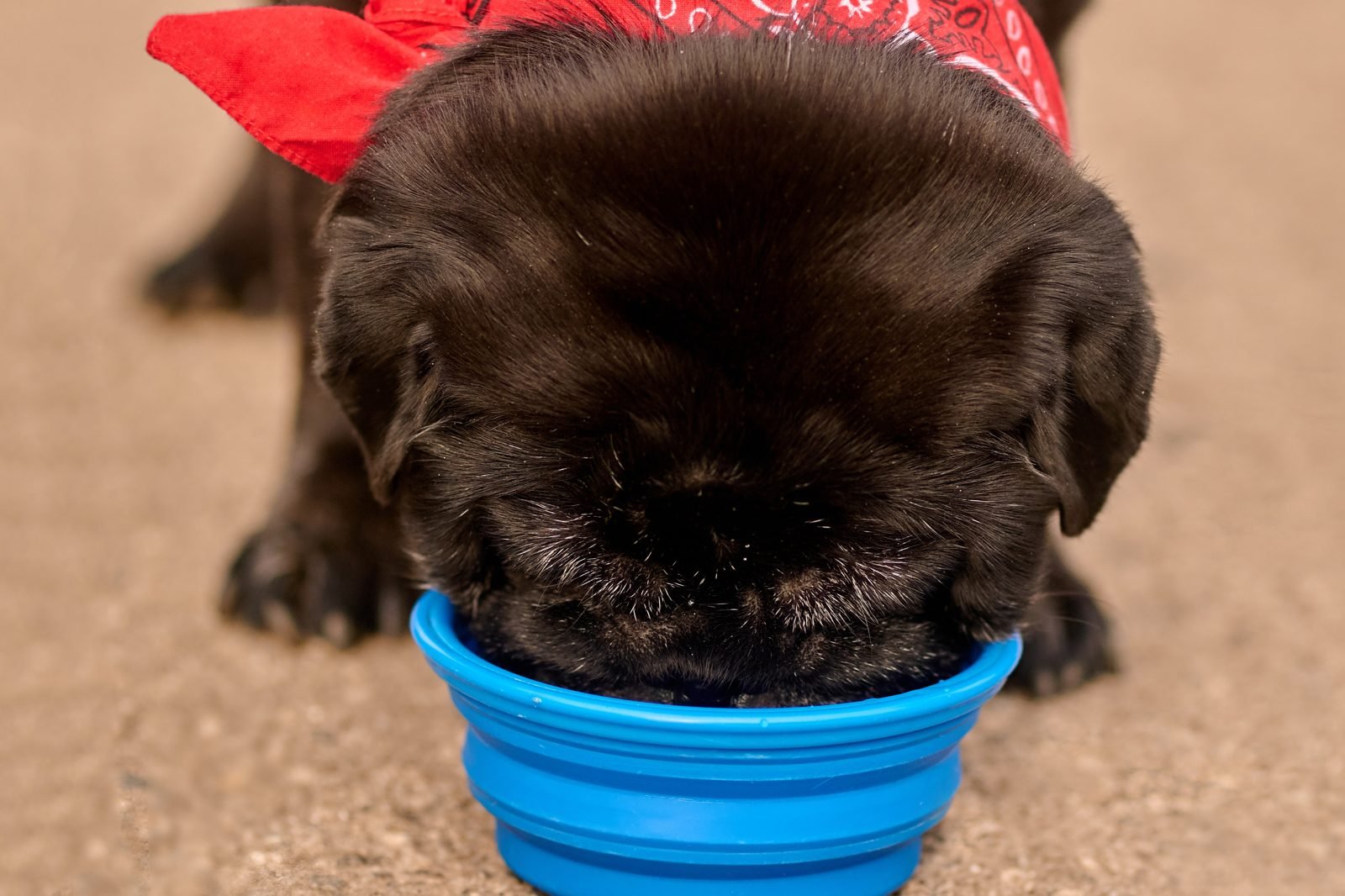
The sources we consulted give no step-by-step adjustment plan; what follows is common sense, not veterinary rules. Set up the feeder days before you need it, watch whether your pet is startled, and weigh the food it releases to confirm it matches the programmed amount. Have a plan B for weak batteries or a power cut. If your pet stops eating, call your veterinarian.
Frequently asked questions
Does an automatic feeder work for wet food?
VCA says most models are designed for dry food and don’t suit pets that eat wet food. Always check the manufacturer’s description.
Can I leave for a weekend with only the feeder?
It isn’t recommended. The device can fail from weak batteries or a power cut, and your pet also needs fresh water and company. Ask someone you trust to check on both.
Will an automatic feeder help my pet lose weight?
It can deliver set portions at planned times, per VCA, but only if the dosing is accurate and the plan comes from your vet. Models that dispense a little extra can undermine a diet.
Do I need to wash the feeder?
Yes. The FDA advises cleaning bowls and utensils with hot soapy water after each use, and VCA warns that some models must be taken apart for a full clean. Follow the manufacturer’s manual.
Conclusion
An automatic feeder is a routine tool, not a complete care solution. It works best when the feeding plan comes from your vet, the device is easy to clean and you have a backup for failures. Tell us in the comments what your pet’s routine looks like.
Sources and references
- VCA Animal Hospitals: The pros and cons of automatic feeders
- Petfinder: How often should I feed my dog
- VetDesk: How many times a day should a cat eat
- VetDesk: Cat water bowl vs fountain
- FDA: Tips for safe handling of pet food and treats
- FDA: Proper storage of pet food and treats
- Vetstreet: How often should I wash my pet’s food bowls
Featured image: Photo: Ayhan Jibrael / Unsplash
Receba ideias de decoração no seu e-mail
Dicas práticas de decoração, jardim e organização da casa. Ao se inscrever, você recebe de presente a planilha grátis "Planejador de Decoração e Reforma". Sem excesso de e-mails.

Deixe um comentário