
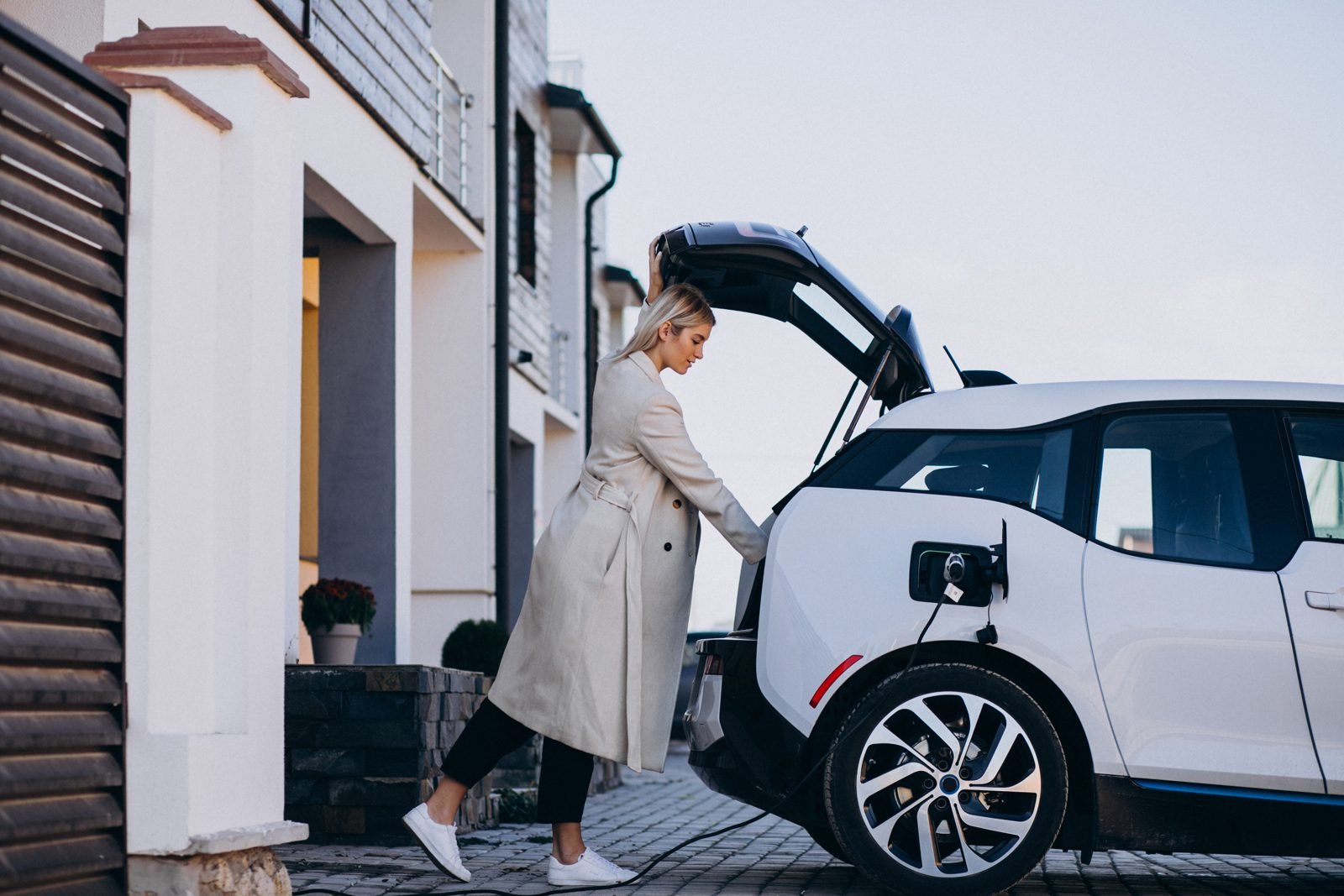
Owning an electric car changes your routine: instead of stopping at a gas station, the car “fills up” while you sleep. That is where a home EV charger comes in, often called a wallbox, a wall-mounted unit in the garage that can make charging faster and more organized than a standard outlet.
Here you will see the difference between Level 1 and Level 2 charging, when a wallbox is worth it, and what needs a licensed professional. The figures come from public agencies and are listed at the end.
What is a wallbox, exactly?
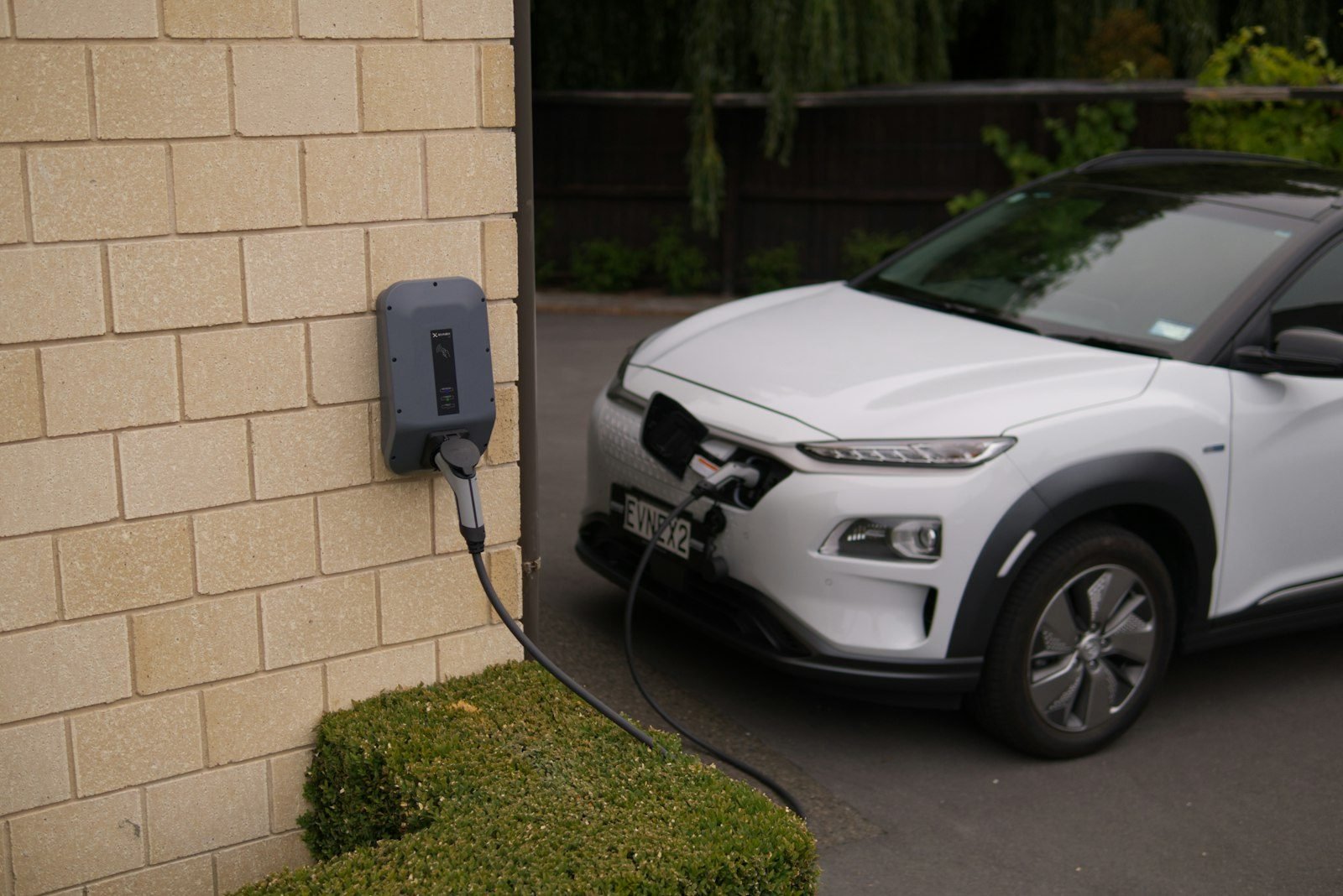
“Wallbox” is a popular name for residential charging equipment mounted on a wall, also known as EVSE (electric vehicle supply equipment). It connects your home’s electrical circuit to the car safely, controls the power that flows through the cable and, in many models, lets you schedule charging from an app. If you are building a connected home, it pairs well with the ideas in our home automation guide.
Level 1 vs Level 2: what is the difference?
The U.S. Environmental Protection Agency (EPA) splits home charging into two levels. With Level 1, the car uses the cord that usually comes with it, plugged into a standard 120 V outlet. The EPA estimates about 5 miles of range per hour of charging, assuming 1.9 kW. With Level 2, at 240 V, the estimate rises to about 25 miles per hour, assuming 6.6 kW.
California’s DriveClean program gives ranges: 3.5 to 6.5 miles per hour for Level 1 and 14 to 35 miles per hour for Level 2, depending on the battery, the charger setup and the circuit capacity. The numbers vary, but both sources show the same order of magnitude: Level 2 is several times faster.
| Feature | Level 1 | Level 2 (wallbox) |
|---|---|---|
| Voltage cited by the sources | 120 V (standard outlet) | 240 V or 208 V, dedicated circuit |
| Range per hour (EPA) | about 5 miles | about 25 miles |
| Range cited by DriveClean | 3.5 to 6.5 miles/hour | 14 to 35 miles/hour |
| Installation | Usually none; uses the car’s cord | Installed by a professional |
| Best for | Short daily trips | Varied schedules, longer commutes, large batteries |
These sources describe U.S. electrical standards. Outside the United States the grid voltage differs, and an electrician can tell you which equipment fits your installation.
Do you really need a wallbox?
It depends on your routine. The EPA says many people with commutes under 40 miles a day find Level 1 sufficient for overnight charging. The U.S. Department of Energy notes that the national average is 19.9 miles of driving per day, based on the 2021 National Household Travel Survey, and that one hour of Level 2 charging can add more range than that.
The Alternative Fuels Data Center (AFDC) points to Level 2 for drivers with less regular schedules, longer commutes or large batteries that need more than one night to fill. Run the numbers for your own routine: miles driven and hours the car sits at home.
Before you buy: what to check in the installation
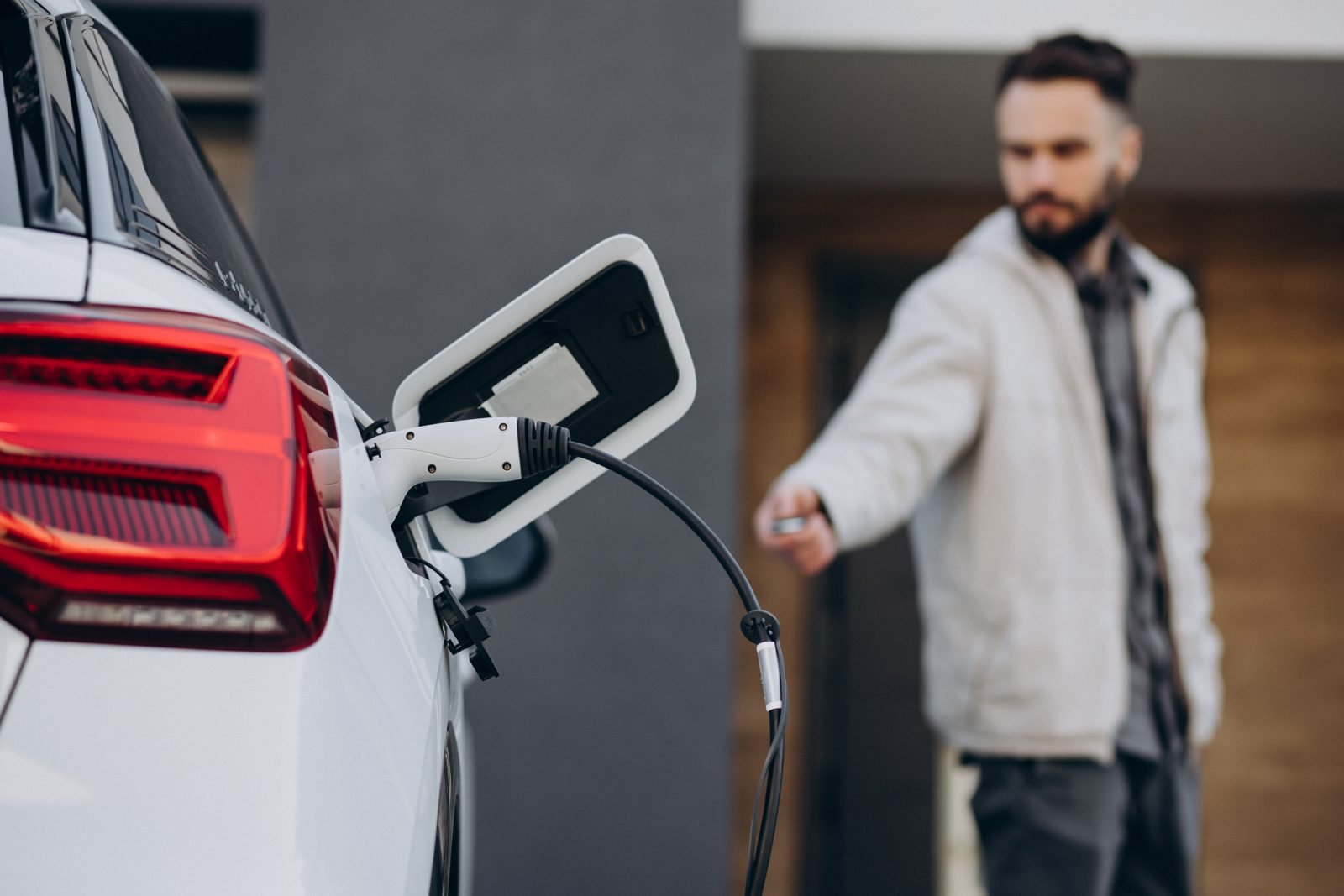
This is where improvising gets expensive. Installing an EV charger should be done by a licensed electrician or qualified installer. The agencies consulted agree on these points:
- Home capacity. The EPA advises having an electrician check whether the home has enough capacity or needs an upgraded electrical panel.
- Dedicated circuit. Ideally the car charges on a circuit with no other loads. DriveClean also mentions a dedicated circuit for Level 2.
- Continuous load. The AFDC notes that the U.S. National Electrical Code treats EV charging as a continuous load, which affects circuit sizing. Your electrician knows the local code.
- Permits. The AFDC says installations must follow local codes, which may require permits and, in many areas, approval of an installation plan.
- Outdoor-rated equipment. If the wallbox will be outside, use a model rated for that, per the AFDC.
- Building rules. In a condo or rental, talk to the association or landlord first about parking, metering and who pays.
For anyone who deals with real estate, that last point matters: the parking spot, the electrical panel and the building’s approval often decide whether the job is simple or complicated.
How much does charging at home cost?
The AFDC offers an example using 10.7 cents per kWh: filling a fully depleted 54 kWh battery would cost about $6. DriveClean cites about 18 cents per kWh in California and roughly $7 for a full charge of a 40 kWh battery. These are local examples; your cost depends on your tariff, the time of day and the car’s consumption.
Equipment and installation costs vary with the model, permit fees and existing wiring, according to DriveClean, and some government or utility programs offer incentives. Ask for written quotes.
Many utilities also charge less during off-peak hours, and a wallbox with scheduling helps you use them. Check with your utility.
How to choose a model
Once you know the level and the electrical feasibility, compare what actually changes day to day:
- Power that matches your circuit and what the car accepts; a wallbox stronger than the car or circuit can handle will not charge any faster.
- Connector compatible with your car or the one you plan to buy.
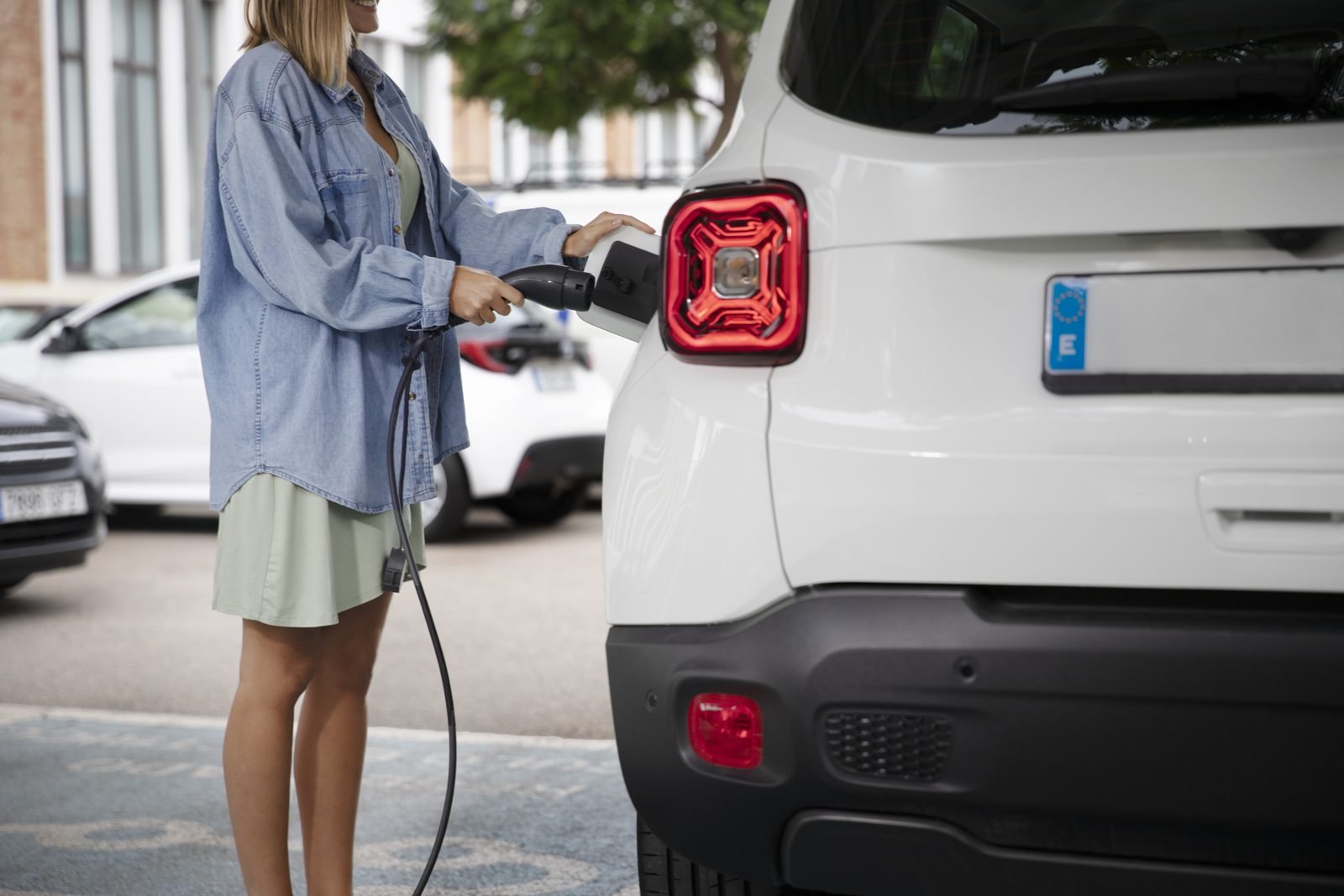
- Cable length long enough to reach the charging port whether you park nose-in or back-in.
- Indoor or outdoor rating for the spot you picked.
- Smart features such as scheduling, consumption tracking and smart home integration, if they matter to you.
- Certification and support in your country; the AFDC recommends certified equipment and a certified installer.
If the garage is also a monitored area, see our guide to wired vs Wi-Fi security cameras.
Quick checklist before you hire
- Estimate your daily miles and how many hours the car is parked at home.
- Check whether a standard outlet (Level 1) already covers your needs; if it does, the wallbox may be able to wait.
- Have a licensed electrician assess the panel, the wiring and the distance to the parking spot.
- Ask about permits and local codes.
- In a condo or rental, get written approval.
- Compare quotes and ask what is included: equipment, materials, labor and warranty.
Frequently asked questions
Can I use a standard outlet instead of a wallbox?
In many cases yes, for Level 1, but the EPA and AFDC call for a dedicated circuit, and charging is much slower. Have an electrician assess the outlet first.
How long does it take to charge with a wallbox?
It depends on the car, the battery and the circuit. By EPA estimates, Level 2 adds about 25 miles of range per hour, which is usually enough to recharge overnight.
Can I install a wallbox myself?
It is not recommended. The job involves a dedicated circuit, protective devices sized for the load and often permits. Hire a licensed professional.
Is it worth it in an apartment?
It can be, but it depends on building rules, the parking spot and the building’s electrical capacity. Start by talking to the property manager.
Conclusion
A wallbox is a good solution for anyone who needs faster charging at home, but not everyone needs one. Understand your routine, confirm the electrical side with a professional and compare options calmly. Tell us in the comments how charging works (or will work) at your home.
Sources and references
- EPA, Plug-in Electric Vehicle Charging: The Basics.
- DriveClean (California), Electric Car Charging Overview.
- AFDC / U.S. Department of Energy, Charging at Home.
- U.S. Department of Energy, FOTW #1355: A Driver Can Easily Get More Miles from an Hour of Level 2 Charging (Aug. 12, 2024).
- See our editorial policy.
Figures come from U.S. agencies and serve as a reference; check voltages, codes and rates in your own country. This article does not replace an assessment by a licensed electrician.
Featured image: Image: senivpetro / Freepik
Receba ideias de decoração no seu e-mail
Dicas práticas de decoração, jardim e organização da casa. Ao se inscrever, você recebe de presente a planilha grátis "Planejador de Decoração e Reforma". Sem excesso de e-mails.

Deixe um comentário